There is a lot of controversy in the photographers community when it comes to post processing photographs. There are analog photo fanatics who claim that analog is the only real thing while most digital images go through digital post processing including heavy manipulation.
However, photo editing independent of the medium has been part of photographic handcraft ever since.
Today I found this interesting article from Michael Zhang (
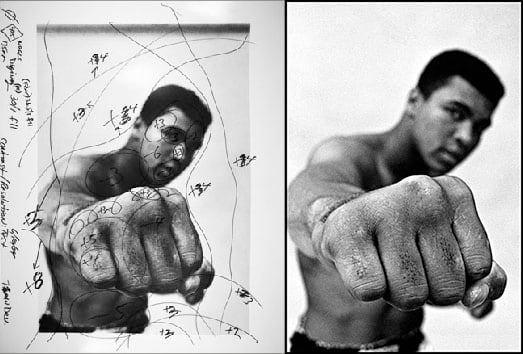
link to PetaPixel) on how iconic prints were edited in the darkroom. The article shows the original first development including markups for later manual editing in a new attempt of development side by side to the final result.
 |
| Muhammad Ali, captured by Thomas Hoepker in 1966 |
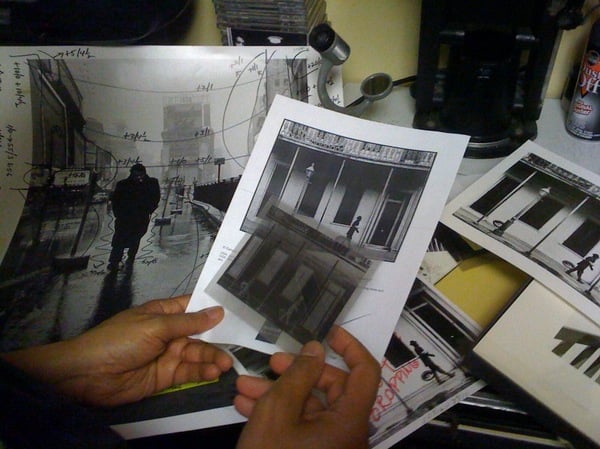
The techniques applied in the analog darkroom were not only cropping, cutting out, or adjusting the overall exposure. Having a look at the markups on the sample images of the referenced article a lot is around adjustment of local contrast, detail, background, and local exposure. All elements common to modern digital photo editing (
link to Photocritic).
In today's digital world we can apply many steps of editing to one single image. We can easily play with variants, and we can use almost as much time as we want to get the desired result.
In analog technique this all has to happen during the final exposure process of the print in the darkroom by dodging and burning areas of the print and making sure that every area of the photograph gets the right amount of light. This process is a real manual handcraft requiring a lot of experience and a thorough understanding of exposure and development processes. An interesting "before there was Photoshop" 10 minutes video with explanations of these techniques can be found here (
link to PetaPixel).
What was the job of a master darkroom printer became the job of an image retoucher in digital times. Techniques remained the same, tools and possibilities might have changed a bit.


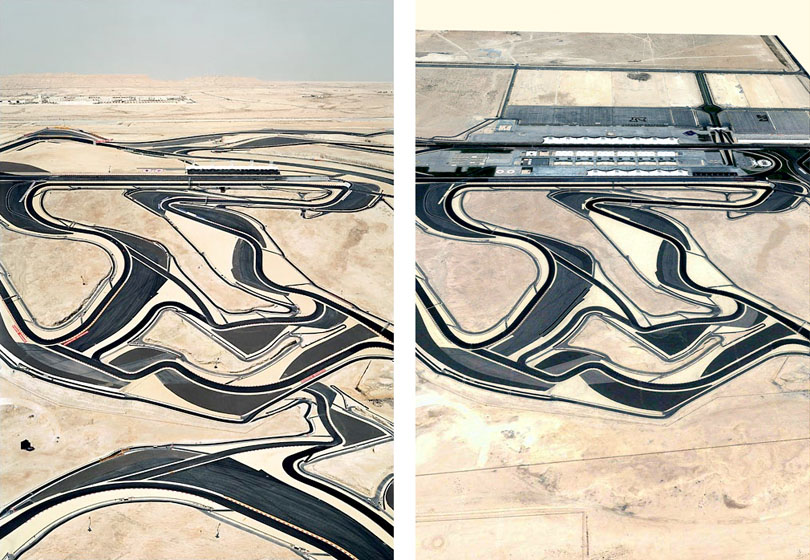 While in earlier times Gursky was creating his impressive large scale photomontaged prints manually, his later work was created using digital post processing and manipulation techniques.