Showing posts with label optics. Show all posts

Sunday, August 20, 2023

Macro Photography using Bokeh Masks

Abstract

Macro photography is a unique genre of photography, which focuses on capturing small subjects in extreme detail. One of the artistic techniques that can be utilized in macro photography is the use of bokeh masks to create specific and shaped bokeh effects in the out-of-focus areas of a photograph. This white paper elucidates the concept and practice of using bokeh masks in macro photography and the optical explanation behind it.

Introduction

Bokeh, derived from the Japanese word "boke" meaning "blur" or "haze", is a photographic term used to describe the aesthetic quality of the out-of-focus areas in a photograph. Bokeh masks are physical masks that photographers place in front of their camera lens to shape this out-of-focus blur into specific patterns or designs.

Methodology

1. Materials Needed:

  • Camera with a fast lens (typically f/2.8 or larger aperture)
  • Macro lens or extension tubes for closer focusing
  • DIY or purchased bokeh masks
  • External light source (optional)

2. Making a Bokeh Mask:

A bokeh mask can be crafted from a piece of black paper, card, or plastic. Cut out a small shape (e.g., heart, star, or any custom design) in the middle of the card. The diameter of the card should match the diameter of the lens you are using. When the camera is focused on a subject, the out-of-focus light sources or highlights will adopt the shape of the cut-out.

3. Setting Up:

  1. Mount the macro lens on the camera.
  2. Place the bokeh mask over the lens.
  3. Adjust camera settings to a wide aperture (e.g., f/2.8 or larger).
  4. Focus on the desired subject, ensuring there are light sources or reflective elements in the background.

Optical Explanation

The principle behind the bokeh mask's effect on photographs stems from the way camera lenses handle out-of-focus light sources.

  1. Aperture Shape: The aperture inside the lens is usually made up of several blades which, when opened or closed, forms a certain shape. Most lenses create a circular aperture, which results in round bokeh balls. The shape of the bokeh mask effectively replaces the shape of the aperture for out-of-focus light sources, thus creating bokeh that matches the shape of the mask.
  2. Depth of Field: Using a wide aperture reduces the depth of field, meaning a smaller portion of the image is in sharp focus. Everything outside of this zone becomes blurred, making it ideal for the bokeh effect.
  3. Light Diffraction: When light passes through a small opening (like our bokeh mask shape), it tends to bend and scatter. The shape of the mask constrains this diffraction to its own form, imprinting that shape onto any defocused light within the image.

Applications and Benefits

  1. Creative Expression: Bokeh masks allow photographers to add a unique and artistic touch to their macro shots. Specific shapes can evoke emotions or enhance the story of the image.
  2. Enhanced Subject Emphasis: By using distinct bokeh shapes, photographers can draw more attention to their main subject, making it stand out against a creatively blurred background.
  3. Holiday and Seasonal Photography: Bokeh masks can be tailored for different seasons and holidays, like stars for Christmas or hearts for Valentine's Day.

Conclusion

Macro photography using bokeh masks is an intersection of science and art. While the optical principles underpinning the method are rooted in physics, the results are pure artistry. Through understanding and harnessing these optical effects, photographers can elevate their macro images to new creative heights.

Friday, July 21, 2023

Delving Deep: The World of Rare Underwater Lenses

Underwater photography is a mesmerizing realm, where light, colors, and clarity converge in ways unlike anywhere else. Capturing this magical underwater universe requires specialized gear, with lenses being at the heart of it all. While many photographers are acquainted with popular underwater optics, the universe of rare underwater lenses remains mostly uncharted. In this post, we'll plunge into some of the most elusive and coveted lenses designed specifically for capturing Neptune's kingdom.


1.
Nikonos 13mm f/2.8

This lens, designed for the Nikonos underwater camera system, is a legendary piece. The Nikonos 13mm was not just the widest lens for the system but was also amphibious, meaning it worked both in and out of water. Its unique construction and top-tier optical performance have made it a collector's favorite.

Underwater camera housing manufacturer SeaCam has developed an option in order to use this extraordinary lens with exceptional optical performance on DSLR cameras.

2. Sea & Sea 12mm f/13 Fish-Eye

Built specifically for underwater use, the Sea & Sea 12mm offered a stunning 167° angle of view. It was praised for its minimal distortion and ability to capture wide vistas, making it perfect for shooting expansive coral reefs or schools of fish.

3. Hugyfot 150mm f/2.8

While wide-angle lenses dominate the underwater scene, there's a demand for macro optics to capture the smaller denizens of the deep. The Hugyfot 150mm is a gem in this category. Known for its razor-sharp imagery, it allows photographers to get up close and personal with tiny marine creatures.

4. Zeiss Divegon 16mm f/5.6

Zeiss, a name synonymous with optical excellence, once ventured into underwater photography with the Divegon series. The 16mm was a standout, offering impeccable sharpness and color rendition, capturing the ethereal beauty of underwater landscapes.

5. Subal 3D Underwater Housing for Canon EF 8-15mm f/4L

While technically not a lens, this housing deserves mention. Created for the Canon EF 8-15mm lens, it allowed for 3D underwater photography – a rarity in itself. The housing combined two Canon lenses, paving the way for capturing underwater worlds in mesmerizing 3D.

Why the Pursuit of Rare Underwater Lenses?

The deep-sea allure is evergreen, and unique challenges emerge when shooting beneath the waves. Rare lenses, often born from specific needs or inventive collaborations, offer underwater photographers opportunities to see and depict the marine world differently. The unique rendering of colors, contrasts, and field-of-view these lenses provide can elevate an image from ordinary to extraordinary.

Final Bubbles

Navigating the abyss of rare underwater lenses is a journey filled with tales of innovation, dedication, and passion. They stand as beacons for those photographers wishing to portray the undersea world in ways less traveled. For the ardent underwater photographer or the discerning collector, these lenses are a testimony to humanity's endeavor to capture the ethereal beauty that exists below the surface.

Exploring the World of Rare Photographic Lenses

In the vast universe of photography, lenses are like magic wands. They determine how we capture and interpret light, shape our perspectives, and crystallize moments into memories. While most photographers are familiar with popular lens choices, the world of rare lenses brings forth a blend of mystique and intrigue. These lenses, often born out of specific needs or unique collaborations, can offer novel creative avenues for photographers. In this post, we will dive into some very rare lenses that have graced the world of photography.


1. Carl Zeiss Planar 50mm f/0.7

One of the most legendary lenses in photographic history, the Carl Zeiss Planar 50mm f/0.7 was originally developed for NASA's Apollo lunar program. It is incredibly fast and was later used by Stanley Kubrick in the film "Barry Lyndon" to shoot candlelit scenes without any artificial lighting. Only ten of these were ever made, making it an incredibly rare piece.

2. Leica Noctilux 50mm f/1.0

Known for its dreamy bokeh and superb low-light performance, the Noctilux series by Leica is iconic. The 50mm f/1.0 version stands out due to its ability to render images with a unique softness while maintaining sharpness, offering a surreal quality to portraits.

3. Nikkor 6mm f/2.8 Fisheye

This lens stands out not just because of its rarity but also its distinctive design. It has a 220° field of view, effectively seeing behind itself. Introduced in the 1970s, its bulbous front element is instantly recognizable and is perfect for creating unusual and captivating fisheye images.

4. Canon 1200mm f/5.6L EF

Often referred to as the "mother of all telephoto lenses", this behemoth from Canon is one of the largest and rarest lenses available. It's so rare that even sightings of this lens are newsworthy. It's primarily used for specialized wildlife or sports photography.

5. Zeiss Apo Sonnar T 1700mm f/4*

This is one of the largest telephoto lenses ever made. It was custom-built for a client and tips the scale at around 256kg. Its specific use and the identity of its owner remain somewhat of a mystery.

6. Pentax 250mm f/5.6 110

Designed for the Pentax Auto 110 system (one of the tiniest SLR systems ever made), this lens is rare because of the camera system it belongs to. While the lens is tiny, its rarity and the results it produces make it a sought-after collector's item.

Why Seek Rare Lenses?

The appeal of rare lenses isn't just in their scarcity. These lenses offer unique optical characteristics that are hard to replicate with mainstream lenses. They often bring out a distinctive rendition of colors, bokeh, and sharpness, allowing photographers to experiment and create unique images.

In Conclusion

The world of rare lenses is like an uncharted territory, filled with stories, peculiar designs, and unparalleled optical magic. While acquiring them can be a challenge (and quite an investment), they can provide a fresh perspective in a photographer's journey. Whether you're a collector or a passionate photographer, these lenses are testament to the ever-evolving art and science of photography.

Friday, September 9, 2016

Film Cameras in a Digital Age


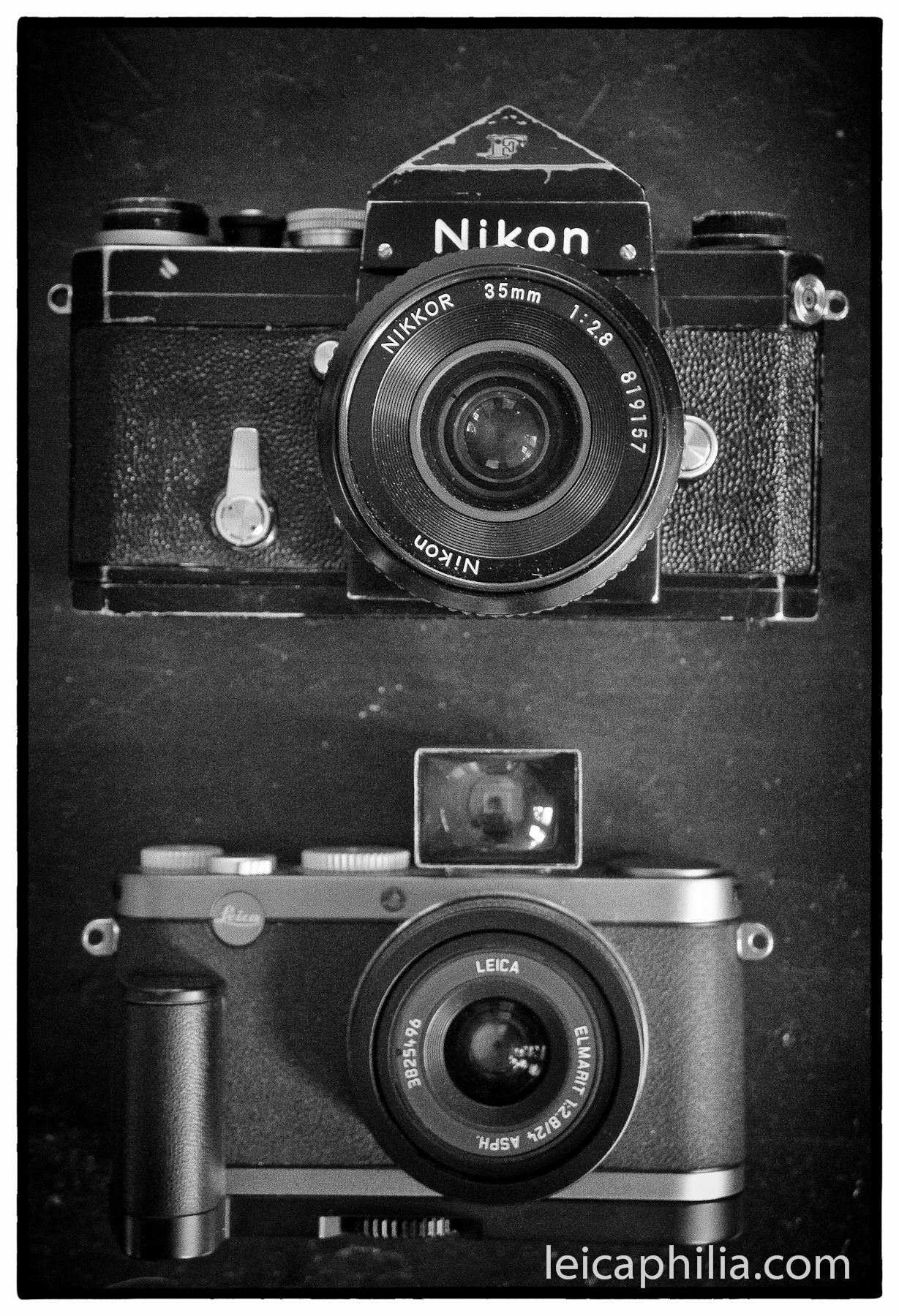
Why a mechanical film camera in a digital age? - A question which keeps me busy since quite some tome. And apparently not only me. - A recent post on leicaphilia.com all deals around this question.
Mechanical cameras have been considered obsolete for some time. The number of digital camera models hitting the market in the last slightly more than 10 years is almost infinite. - Never the less analog cameras undergo a comeback.
Photography shops have old mechanical second hand cameras again in their offering and retired mechanical engineers who still know how to service them start small businesses again do do so.
The post on leicaphilia.com is worth reading for everybody who is interested in this topic.